
Projector Brightness Units Explained: ANSI Lumens vs Regular Lumens – How to Choose the Right Brightness?
Introduction
When shopping for a projector, one of the most confusing specifications you’ll encounter is brightness measurement. You’ll see terms like “ANSI lumens,” “lumens,” “LED lumens,” and sometimes just vague brightness claims. Understanding these differences is crucial for making an informed purchase decision and avoiding disappointment with your projector’s performance.
What Are Lumens?
Lumens measure the total amount of visible light emitted by a source. In projector terms, it indicates how bright the projected image will appear. However, not all lumen measurements are created equal, and this is where confusion begins.
ANSI Lumens: The Gold Standard
What Are ANSI Lumens?
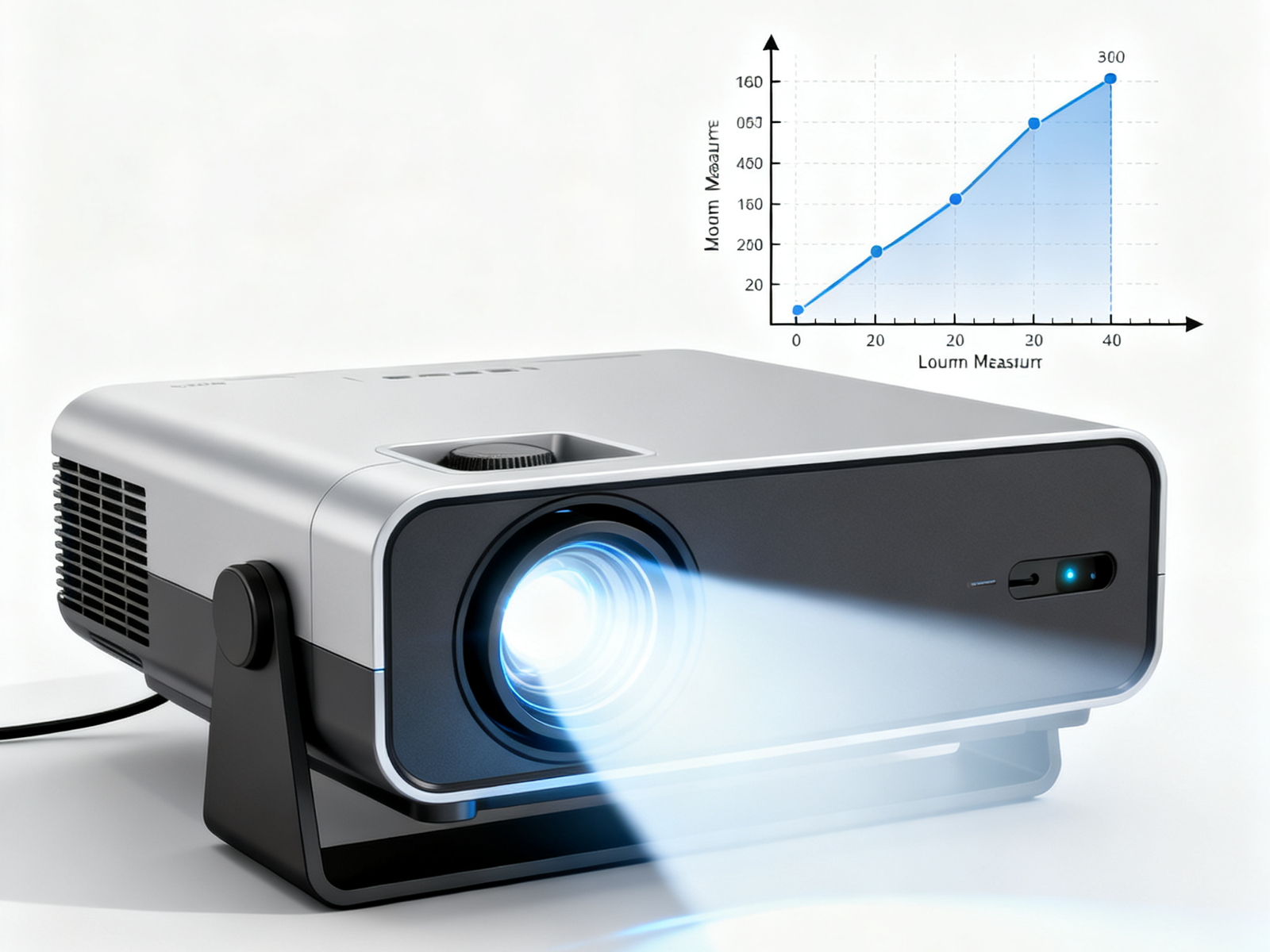
ANSI (American National Standards Institute) lumens represent the most standardized and reliable brightness measurement for projectors. This measurement follows strict testing protocols:
- 9-point measurement system: The projected image is divided into 9 equal rectangles
- Standardized conditions: Measured in complete darkness with specific screen materials
- Average calculation: The final ANSI lumen rating is the average of all 9 measurements
- Industry standard: Recognized globally by manufacturers and professionals
Why ANSI Lumens Matter
ANSI lumens provide:
- Consistent comparison between different projector brands
- Real-world accuracy in brightness performance
- Professional reliability for business and educational use
- Quality assurance from reputable manufacturers
Regular Lumens vs ANSI Lumens
Regular Lumens (Peak Lumens)
Many budget projectors advertise “lumens” without the ANSI specification. These measurements often represent:
- Peak brightness at the center of the image only
- Theoretical maximum under ideal laboratory conditions
- Marketing inflated numbers that don’t reflect real-world performance
- Inconsistent standards varying between manufacturers
The Reality Gap
A projector claiming 3000 regular lumens might only deliver 800-1200 ANSI lumens in actual use. This significant difference explains why some “high brightness” budget projectors appear dim in practice.
LED Lumens and Other Measurements
LED Lumens
- Specific to LED-based projectors
- Often lower than traditional lamp projectors
- More energy-efficient but typically dimmer
- Better color accuracy and longer lifespan
Color Light Output (CLO)
- Measures colored light brightness separately
- Important for color accuracy in bright environments
- Should match white light output for balanced images
Brightness Requirements by Use Case
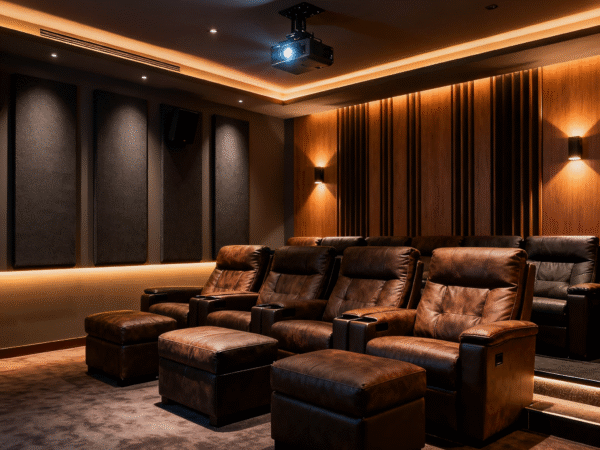
Home Theater (Dark Room)
- Recommended: 1000-2500 ANSI lumens
- Why: Controlled lighting allows for lower brightness
- Benefits: Better contrast ratios, deeper blacks
Living Room (Ambient Light)
- Recommended: 2500-3500 ANSI lumens
- Why: Competing with room lighting
- Considerations: Higher brightness needed for daytime viewing
Business Presentations
- Recommended: 3000-4000+ ANSI lumens
- Why: Conference rooms often have overhead lighting
- Requirements: Clear visibility for text and graphics
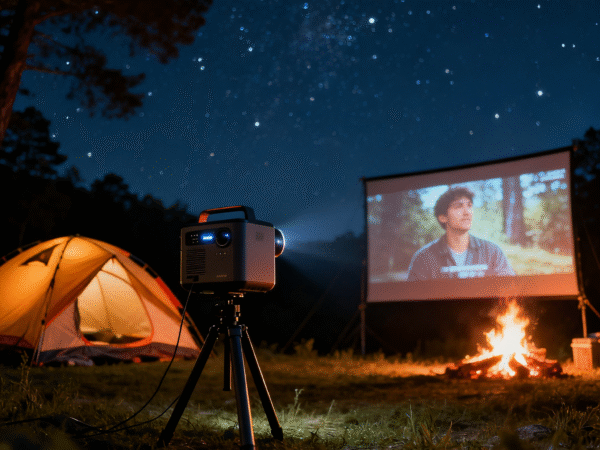
Outdoor Use
- Recommended: 3500+ ANSI lumens
- Why: Competing with ambient light and larger screens
- Challenges: Even moonlight can affect image quality
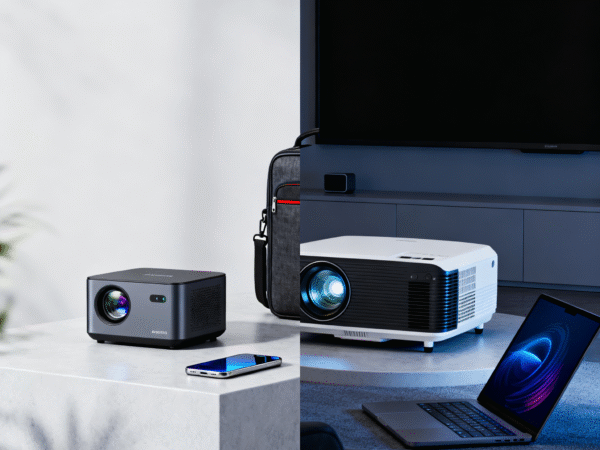
Portable/Mini Projectors
- Typical Range: 100-800 ANSI lumens
- Best Use: Dark rooms, small screens (under 100 inches)
- Trade-off: Portability vs brightness
How to Evaluate Projector Brightness Claims
Red Flags to Watch For
- Claims of extremely high lumens at very low prices
- No mention of ANSI in specifications
- Vague terms like “brightness equivalent to…”
- No standardized testing mentioned
What to Look For
- Clear ANSI lumen specifications
- Reputable brand with testing certifications
- Professional reviews mentioning actual brightness tests
- Realistic pricing for the claimed brightness level
The Brightness vs. Other Factors Balance
Contrast Ratio
Higher brightness doesn’t always mean better image quality. A projector with 2000 ANSI lumens and 10,000:1 contrast ratio often produces better images than one with 3000 lumens and 1000:1 contrast.
Color Accuracy
Extremely bright projectors may sacrifice color accuracy. Look for projectors that balance brightness with good color reproduction.
Lamp Life
Higher brightness often means shorter lamp life and higher replacement costs. Consider total cost of ownership.
Practical Brightness Testing Tips
Before Purchase
- Read professional reviews with measured brightness tests
- Check manufacturer specifications for ANSI lumen ratings
- Consider your primary use environment
After Purchase
- Test in your intended environment
- Measure actual screen size vs brightness performance
- Adjust settings for optimal brightness/quality balance
Future of Projector Brightness
Laser Technology
- Higher brightness with longer lifespan
- More consistent brightness over time
- Better color accuracy at high brightness levels
LED Improvements
- Increasing brightness capabilities
- Better efficiency and heat management
- Longer lifespan with stable brightness
Conclusion
Understanding the difference between ANSI lumens and regular lumens is essential for making an informed projector purchase. Always prioritize ANSI lumen specifications from reputable manufacturers, and choose brightness levels appropriate for your specific use case. Remember that brightness is just one factor – consider contrast ratio, color accuracy, and your viewing environment for the best overall experience.
When in doubt, it’s better to have slightly more brightness than you think you need, as you can always reduce brightness through projector settings, but you cannot add brightness that isn’t there.
For more projector guides and technical comparisons, visit our blog regularly for the latest insights and reviews.