
Mini Projectors vs Traditional Projectors: Which Suits Modern Life Better?
Introduction
The projector market has evolved dramatically with the emergence of mini projectors that fit in your pocket alongside traditional full-sized models. As our lifestyles become increasingly mobile and space-conscious, the question arises: do mini projectors offer enough performance to replace traditional projectors, or do they serve different purposes entirely?
Understanding the Categories
Mini Projectors Defined
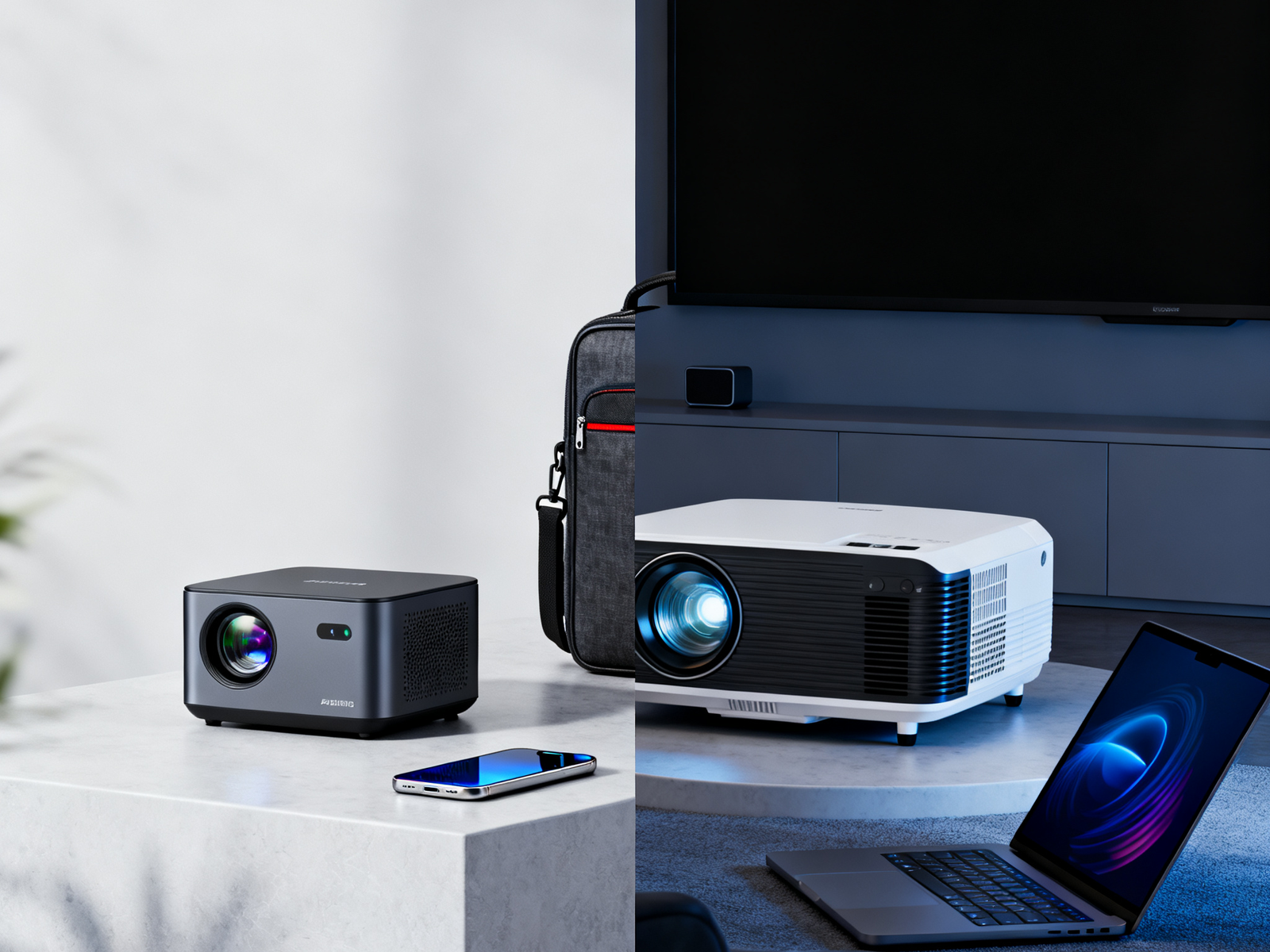
Size and Portability:
- Dimensions: Typically under 6×4×2 inches
- Weight: 0.25-1.5 kg (0.5-3.3 lbs)
- Power: Often battery-powered for true portability
- Examples: Pocket projectors, smartphone-sized units
Key Characteristics:
- Ultra-portable design for on-the-go use
- Built-in batteries for wireless operation
- Simplified connectivity with wireless options
- Compact form factor prioritized over raw performance
Traditional Projectors Defined
Size and Installation:
- Dimensions: 12×10×4 inches or larger
- Weight: 2-15+ kg (4.4-33+ lbs)
- Power: AC-powered, permanent installation typical
- Examples: Home theater, business, education projectors
Key Characteristics:
- Maximum performance prioritized over portability
- Professional installation often required
- Extensive connectivity options
- Optimized for fixed locations
Performance Comparison
Brightness and Image Quality
Mini Projectors:
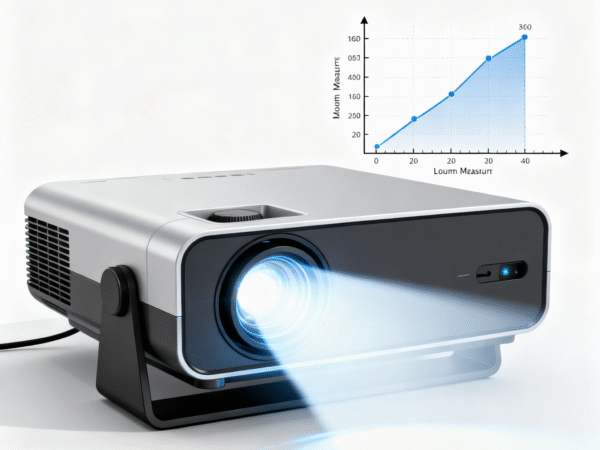
- Brightness Range: 30-800 ANSI lumens
- Typical Performance: 100-300 ANSI lumens
- Best Use: Dark rooms, small screens (15-80 inches)
- Limitations: Struggle in ambient light conditions
Traditional Projectors:
- Brightness Range: 1000-10,000+ ANSI lumens
- Typical Performance: 2000-4000 ANSI lumens
- Best Use: Various lighting conditions, large screens (80-300+ inches)
- Advantages: Suitable for bright rooms, large audiences
Resolution Capabilities
Mini Projectors:
- Common Resolutions: 480p, 720p, some 1080p
- 4K Options: Limited, often pixel-shifting technology
- Image Sharpness: Adequate for casual viewing
- Screen Size Impact: Quality degrades on larger screens
Traditional Projectors:
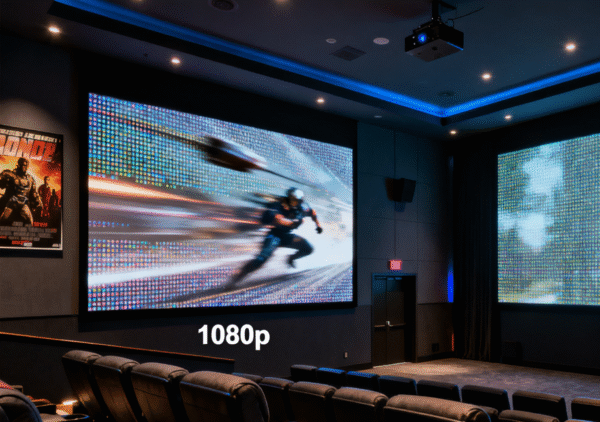
- Common Resolutions: 1080p, 4K increasingly standard
- True 4K: Available in premium models
- Image Sharpness: Professional-grade clarity
- Screen Size Impact: Maintains quality on large screens
Color Accuracy and Contrast
Mini Projectors:
- Color Performance: Basic color reproduction
- Contrast Ratios: 1000:1 to 3000:1 typical
- Technology: LED light sources common
- Limitations: Limited color gamut coverage
Traditional Projectors:
- Color Performance: Professional color accuracy available
- Contrast Ratios: 10,000:1 to 1,000,000:1+
- Technology: Lamp, LED, laser options
- Advantages: Wide color gamut, HDR support
Practical Use Cases
Mini Projector Scenarios
Travel and Business:
- Hotel presentations: Quick setup in any room
- Client meetings: Portable professional tool
- Trade shows: Compact booth displays
- Field work: On-site project reviews
Personal Entertainment:
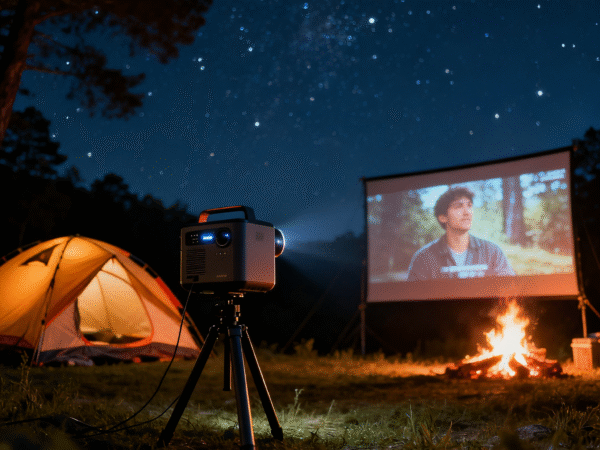
- Camping trips: Outdoor movie nights
- Small apartments: Space-saving entertainment
- Bedroom viewing: Personal cinema experience
- Kids’ rooms: Safe, low-heat operation
Educational Applications:
- Tutoring sessions: Portable teaching aid
- Study groups: Shared content viewing
- Outdoor classes: Nature-based learning
- Home schooling: Flexible classroom setup
Traditional Projector Scenarios
Home Theater:
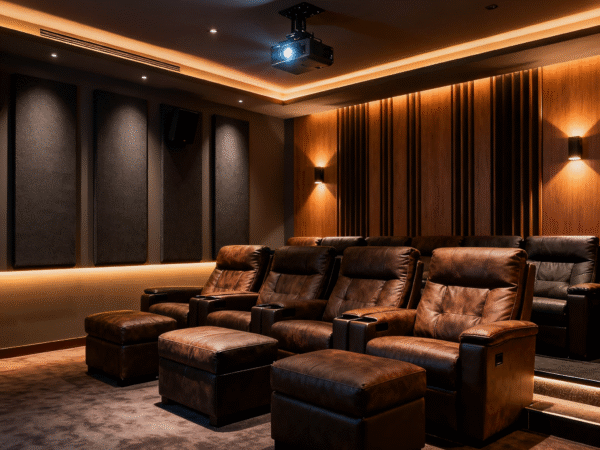
- Dedicated rooms: Permanent installation
- Large screens: 100+ inch displays
- Family entertainment: Group viewing experiences
- Gaming: High-performance requirements
Business and Professional:
- Conference rooms: Permanent installations
- Auditoriums: Large audience presentations
- Training facilities: Professional requirements
- Houses of worship: Community gatherings
Educational Institutions:
- Classrooms: Daily teaching use
- Lecture halls: Large student groups
- Libraries: Public presentation spaces
- Laboratories: Detailed image requirements
Lifestyle Compatibility Analysis
Modern Mobile Lifestyle
Mini Projector Advantages:
- Instant setup: 2-3 minute deployment
- No installation: Plug-and-play operation
- Travel friendly: Fits in carry-on luggage
- Flexible locations: Use anywhere with flat surface
Lifestyle Match:
- Digital nomads: Work and entertainment anywhere
- Frequent travelers: Hotel room entertainment
- Small space living: Urban apartment dwellers
- Casual users: Occasional entertainment needs
Traditional Home-Centered Lifestyle
Traditional Projector Advantages:
- Premium experience: Theater-quality performance
- Permanent setup: Always ready for use
- Large gatherings: Family and friend entertainment
- Investment value: Long-term home improvement
Lifestyle Match:
- Homeowners: Permanent residence with dedicated space
- Entertainment enthusiasts: Regular movie watching
- Large families: Group entertainment needs
- Home theater builders: Dedicated cinema rooms
Cost Analysis
Initial Investment
Mini Projectors:
- Entry Level: $50-200
- Mid-Range: $200-600
- Premium: $600-1500
- Total Setup Cost: Minimal additional equipment needed
Traditional Projectors:
- Entry Level: $300-800
- Mid-Range: $800-3000
- Premium: $3000-15000+
- Total Setup Cost: Screen, mounting, installation adds 30-50%
Total Cost of Ownership
Mini Projectors:
- Lamp Replacement: LED/laser sources last longer
- Maintenance: Minimal due to simple design
- Accessories: Basic cables and cases
- Upgrade Cycle: 2-3 years due to rapid technology advancement
Traditional Projectors:
- Lamp Replacement: $100-500 every 2000-5000 hours
- Maintenance: Filter cleaning, professional service
- Accessories: Screens, mounts, cables, calibration
- Upgrade Cycle: 5-10 years for major upgrades
Technology Trends and Future
Mini Projector Evolution
Current Improvements:
- Brightness increases: LED and laser advancement
- Resolution upgrades: More 1080p and 4K options
- Battery life: Extended operation times
- Smart features: Built-in streaming, wireless connectivity
Future Developments:
- Holographic projection: Glasses-free 3D
- Smartphone integration: Direct phone projection
- AI enhancement: Automatic optimization
- Micro-LED technology: Better efficiency and brightness
Traditional Projector Advancement
Current Improvements:
- Laser light sources: 20,000+ hour lifespans
- 8K resolution: Ultra-high definition
- HDR support: Enhanced dynamic range
- Smart integration: Built-in streaming platforms
Future Developments:
- Holographic displays: Room-filling projection
- AI calibration: Automatic room optimization
- Wireless 8K: Cable-free high-resolution transmission
- Sustainable technology: Eco-friendly materials and operation
Decision Framework
Choose Mini Projectors If You:
Lifestyle Factors:
- Frequently travel for work or leisure
- Live in small spaces with limited storage
- Need flexibility in viewing locations
- Prioritize convenience over maximum quality
Usage Patterns:
- Casual viewing 1-3 times per week
- Small groups (1-4 people typically)
- Varied content (presentations, videos, casual movies)
- Budget conscious with modest performance needs
Technical Requirements:
- Screen sizes under 80 inches acceptable
- Dark room viewing primarily
- Basic connectivity sufficient
- Simple operation preferred
Choose Traditional Projectors If You:
Lifestyle Factors:
- Permanent residence with dedicated space
- Regular entertainment hosting
- Quality prioritized over convenience
- Long-term investment mindset
Usage Patterns:
- Frequent viewing 4+ times per week
- Large groups (4+ people regularly)
- Premium content (4K movies, gaming, sports)
- Performance focused with quality expectations
Technical Requirements:
- Large screens 100+ inches desired
- Ambient light viewing capability needed
- Extensive connectivity required
- Professional installation acceptable
Hybrid Solutions and Compromises
Portable Traditional Projectors
Middle Ground Options:
- Compact traditional: Reduced size but full features
- Portable business: Professional performance, moderate size
- Outdoor projectors: Weather-resistant, bright, portable
- Gaming projectors: Low latency, high refresh rates
High-Performance Mini Projectors
Premium Compact Options:
- Laser mini projectors: Higher brightness in small form
- 4K pocket projectors: Maximum resolution in minimal size
- Smart mini projectors: Full streaming capabilities
- Professional mini: Business-grade performance and reliability
Conclusion
The choice between mini and traditional projectors isn’t necessarily either/or – they serve different aspects of modern life. Mini projectors excel in flexibility, convenience, and mobility, making them perfect for today’s dynamic lifestyle. Traditional projectors provide the ultimate viewing experience for dedicated entertainment spaces.
Consider your primary use cases, living situation, and priorities. Many users find value in owning both: a mini projector for travel and flexibility, and a traditional projector for the home theater experience.
The technology gap continues to narrow as mini projectors become brighter and traditional projectors become more compact. However, the fundamental trade-offs between portability and performance will likely persist, making both categories relevant for different user needs.
Your choice should align with how you actually live and consume content, not just theoretical ideal scenarios. Both technologies have their place in modern life – the key is matching the right tool to your specific requirements and lifestyle.
Explore our detailed reviews of both mini and traditional projectors to find the perfect match for your needs.