
Is 4K Projection Really Necessary? Resolution Selection Guide
Introduction
The projector market has been flooded with 4K models in recent years, but the question remains: is 4K projection really worth the investment? With significant price differences between 1080p and 4K projectors, understanding the practical benefits and limitations of higher resolution is crucial for making an informed decision.
Understanding Projector Resolutions
Common Resolution Standards
720p (HD Ready)
- Native Resolution: 1280×720 pixels
- Total Pixels: 921,600
- Best For: Budget setups, small screens under 80 inches
- Limitations: Visible pixelation on larger screens
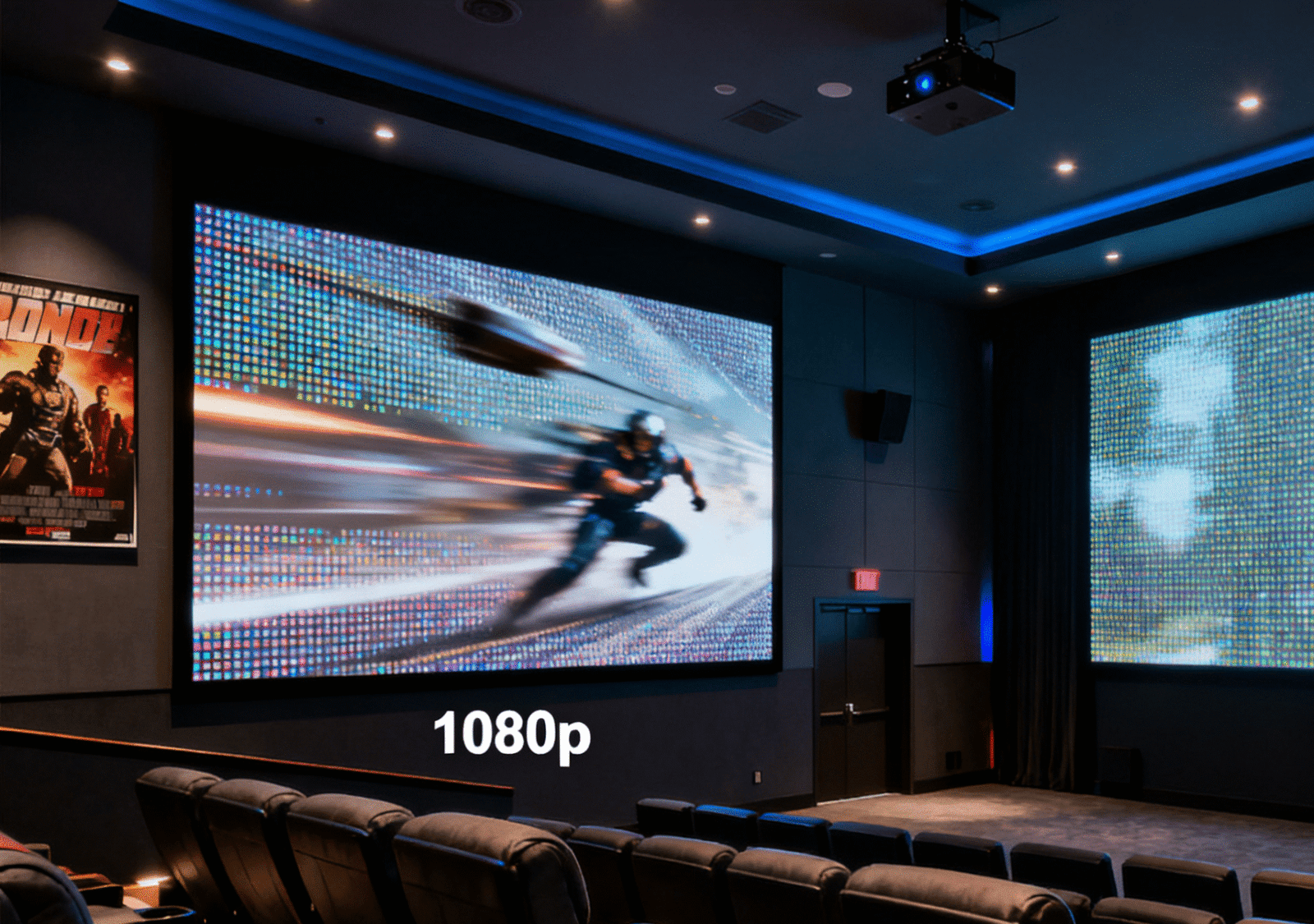
1080p (Full HD)
- Native Resolution: 1920×1080 pixels
- Total Pixels: 2,073,600
- Best For: Most home theater setups, screens 80-120 inches
- Sweet Spot: Excellent balance of quality and affordability
4K UHD (Ultra HD)
- Native Resolution: 3840×2160 pixels
- Total Pixels: 8,294,400 (4× more than 1080p)
- Best For: Large screens 120+ inches, premium setups
- Premium Feature: Future-proof investment
True 4K vs 4K Enhancement
True Native 4K
- Actual 3840×2160 pixel panels
- No processing tricks or pixel shifting
- Premium pricing but authentic 4K experience
- Found in high-end projectors ($3000+)
4K Enhancement/Pixel Shifting
- Uses 1080p panels with pixel shifting technology
- Creates perceived 4K resolution through rapid pixel movement
- More affordable than true 4K
- Good compromise for budget-conscious buyers
The 4K Advantage: When It Matters
Screen Size Impact
Small Screens (Under 100 inches)
- 4K Benefits: Minimal improvement visible
- Recommendation: 1080p sufficient for most viewers
- Viewing Distance: Differences barely noticeable at normal distances
Medium Screens (100-150 inches)
- 4K Benefits: Noticeable improvement in detail
- Recommendation: 4K worthwhile for critical viewers
- Content Dependent: More apparent with native 4K content
Large Screens (150+ inches)
- 4K Benefits: Significant improvement in image clarity
- Recommendation: 4K highly recommended
- Pixel Visibility: 1080p pixelation becomes obvious
Content Availability
4K Content Sources
- Streaming: Netflix, Amazon Prime, Disney+, YouTube
- Physical Media: 4K Blu-ray discs
- Gaming: PlayStation 5, Xbox Series X, PC gaming
- Growing Library: Increasing content availability
Upscaling Considerations
- 1080p to 4K: Good upscaling can improve lower resolution content
- Quality Varies: Depends on projector’s processing capabilities
- Not Magic: Cannot create detail that wasn’t originally there
Cost-Benefit Analysis
Price Comparison (2024 Market)
1080p Projectors
- Entry Level: $300-800
- Mid-Range: $800-2000
- High-End: $2000-4000
- Value Proposition: Excellent performance per dollar
4K Projectors
- Entry Level: $1000-2500
- Mid-Range: $2500-5000
- High-End: $5000-15000+
- Premium Cost: 2-3× more expensive than comparable 1080p
Total Cost of Ownership
Additional 4K Costs
- HDMI Cables: High-speed HDMI 2.0/2.1 required
- Media Players: 4K-capable streaming devices
- Content: 4K streaming subscriptions, Blu-ray discs
- Processing Power: Higher demands on source devices
Performance Considerations
Brightness and 4K
Brightness Challenges
- Light Loss: 4K projectors often dimmer than 1080p counterparts
- Pixel Density: More pixels can mean less light per pixel
- Room Requirements: May need darker environments
Lamp Life Impact
- Higher Power: 4K processing requires more power
- Heat Generation: Increased cooling needs
- Maintenance: Potentially higher operating costs
Input Lag and Gaming
Gaming Performance
- 4K Gaming: Requires powerful graphics cards
- Input Lag: Some 4K projectors have higher latency
- Frame Rates: May need to choose between 4K and high refresh rates
- Console Gaming: PS5/Xbox Series X benefit from 4K projection
Viewing Distance Formula
Optimal Viewing Distances
1080p Projectors
- Formula: Screen width × 1.5 to 2.5
- Example: 100″ screen = 12-20 feet optimal distance
- Closer Viewing: Pixelation becomes visible
4K Projectors
- Formula: Screen width × 1.0 to 1.5
- Example: 100″ screen = 8-12 feet optimal distance
- Closer Viewing: Maintains image quality
Room Size Considerations
Small Rooms (Under 12 feet)
- Recommendation: 1080p often sufficient
- Reason: Limited viewing distance negates 4K benefits
- Exception: If upgrading soon to larger space
Large Rooms (12+ feet)
- Recommendation: 4K becomes more valuable
- Reason: Can utilize larger screens effectively
- Future-Proofing: Room for screen size growth
Real-World Usage Scenarios
Home Theater Enthusiasts
4K Recommended If:
- Screen size 120+ inches
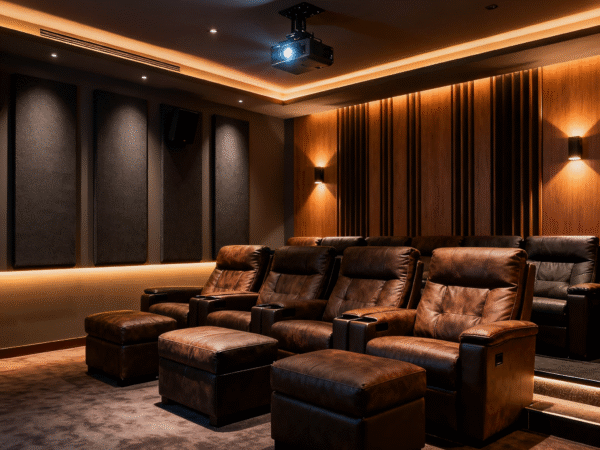
- Dedicated theater room
- Premium content consumption
- Budget allows for quality 4K projector
Casual Movie Watching
1080p Sufficient If:
- Screen size under 100 inches
- Mixed lighting conditions
- Budget-conscious approach
- Primarily streaming older content
Gaming Applications
Consider 4K For:
- Next-gen console gaming
- PC gaming with powerful GPU
- Large screen gaming setup
- Competitive advantage in detail visibility
Business Presentations
1080p Recommended:
- Text and graphics focus
- Ambient light conditions
- Cost-effectiveness priority
- Portability requirements
Future-Proofing Considerations
Technology Trends
- 8K Development: Still years away from mainstream adoption
- Content Growth: 4K content library expanding rapidly
- Price Reduction: 4K projectors becoming more affordable
- Standard Adoption: 4K becoming the new baseline
Upgrade Timeline
- Current 1080p Users: May wait 2-3 years for better 4K value
- New Buyers: Consider 4K for longevity
- Budget Planning: Factor in total ecosystem costs
Making Your Decision
Choose 4K If You:
- Have a screen larger than 120 inches
- Sit closer than 1.5× screen width
- Consume significant 4K content
- Want future-proof investment
- Have budget for quality 4K projector
Stick with 1080p If You:
- Have a screen smaller than 100 inches
- Are budget-conscious
- Primarily watch older content
- Use projector in bright environments
- Prioritize brightness over resolution
Conclusion
4K projection isn’t automatically better for everyone. The benefits are most apparent on large screens with appropriate viewing distances and quality 4K content. For many users, a high-quality 1080p projector offers better value and performance.
Consider your specific use case, room setup, content preferences, and budget. A excellent 1080p projector often provides better overall experience than a mediocre 4K model at the same price point.
The key is matching the technology to your needs rather than chasing the latest specifications. As 4K projector prices continue to fall and content availability grows, the value proposition will improve, but for now, careful consideration of your specific requirements is essential.
For more detailed projector comparisons and buying guides, explore our comprehensive reviews and technical analyses.