
Complete Outdoor Projection Guide: Best Practices for Camping Movie Nights
Introduction
Outdoor movie nights have become increasingly popular, especially with the rise of portable projectors. Whether you’re camping in the wilderness, hosting a backyard gathering, or enjoying a beach sunset screening, outdoor projection offers a unique entertainment experience that combines technology with nature’s beauty.
Essential Equipment for Outdoor Projection
Projector Selection
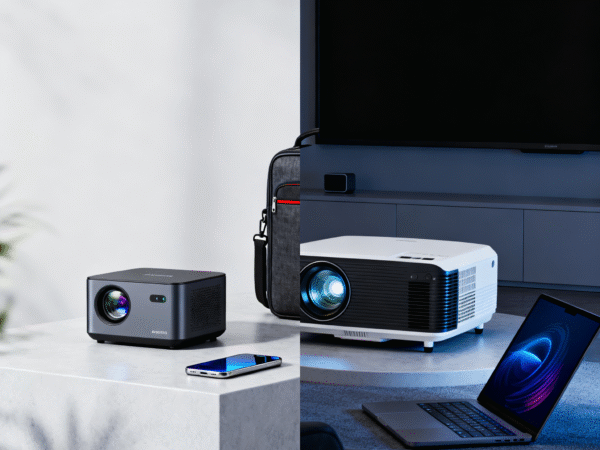
Portable Mini Projectors
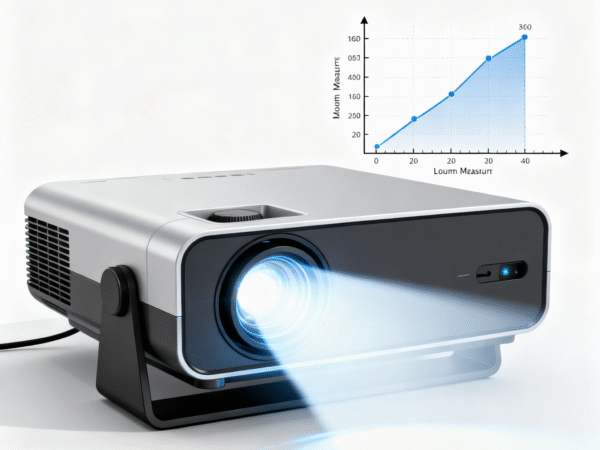
- Brightness: Minimum 200+ ANSI lumens for outdoor use
- Battery Life: 2-4 hours for uninterrupted viewing
- Size: Pocket-sized for easy transport
- Weather Resistance: IP rating for moisture protection
Key Features to Look For:
- Built-in battery for power independence
- Multiple connectivity options (HDMI, USB, wireless)
- Compact design with carrying case
- Manual focus adjustment for various distances
Screen Solutions
Portable Projection Screens
- Inflatable screens: Easy setup, wind-resistant
- Tripod screens: Stable, adjustable height
- Fabric screens: Lightweight, packable
DIY Alternatives:
- White bedsheet: Stretched between trees or poles
- Tent wall: Smooth, light-colored tent surface
- Portable whiteboard: Rigid, smooth surface
Power Management
Battery Solutions
- Power banks: 20,000mAh+ for extended viewing
- Portable generators: For longer camping trips
- Solar chargers: Eco-friendly daytime charging
- Car adapters: Utilize vehicle power when available
Site Selection and Setup
Choosing the Perfect Location
Environmental Factors:
- Darkness level: Away from light pollution
- Wind protection: Natural windbreaks or sheltered areas
- Level ground: For stable equipment placement
- Safety considerations: Away from hazards, wildlife paths
Distance Calculations:
- Projection distance: 1.2-4 meters for most portable projectors
- Screen size: 40-100 inches optimal for outdoor viewing
- Viewing angle: Consider audience seating arrangement
Weather Considerations
Ideal Conditions:
- Clear skies: No rain or heavy clouds
- Minimal wind: Reduces screen movement and dust
- Moderate temperature: Prevents condensation issues
- Low humidity: Better for equipment longevity
Weather Protection:
- Projector covers: Protect from dew and moisture
- Equipment cases: Waterproof storage solutions
- Backup plans: Indoor alternatives for bad weather
Setup Process Step-by-Step
Pre-Setup Preparation
Equipment Check:
- Charge all devices fully before departure
- Test connections at home first
- Pack backup cables and adapters
- Download content offline for reliable playback
Site Preparation:
- Arrive before sunset for setup in daylight
- Clear the area of obstacles and debris
- Mark equipment positions for easy setup
- Set up seating before it gets dark
Equipment Setup Sequence
Step 1: Screen Installation
- Position screen away from wind
- Ensure proper tension and flatness
- Secure with stakes or weights
- Test visibility from seating area
Step 2: Projector Placement
- Calculate optimal distance for desired screen size
- Use stable surface or tripod
- Protect from ground moisture
- Ensure ventilation for cooling
Step 3: Power and Connectivity
- Connect power source (battery/generator)
- Link media device (phone, laptop, streaming device)
- Test all connections before dark
- Have backup power ready
Step 4: Focus and Alignment
- Adjust projector position for square image
- Fine-tune focus for sharp picture
- Optimize brightness settings
- Test audio levels
Content and Media Management
Content Selection
Outdoor-Friendly Content:
- Action movies: Visible in ambient light
- Animated films: Bright colors, family-friendly
- Classic movies: Nostalgic camping atmosphere
- Short films: Flexible timing options
Technical Considerations:
- High contrast content works better outdoors
- Avoid dark scenes that disappear in ambient light
- Consider audio quality for outdoor acoustics
- Plan intermissions for battery changes
Media Storage and Playback
Offline Storage:
- USB drives: Reliable, no internet needed
- SD cards: Compatible with many projectors
- Laptop storage: Versatile playback options
- Portable hard drives: Large capacity for multiple movies
Streaming Considerations:
- Mobile hotspot: For internet-dependent content
- Data usage: Monitor consumption on limited plans
- Connection stability: Unreliable in remote areas
- Backup offline content: Always have alternatives
Audio Solutions
Built-in vs External Audio
Projector Speakers:
- Convenience: No additional setup required
- Limitations: Often insufficient for outdoor use
- Power consumption: Drains battery faster
External Audio Options:
- Bluetooth speakers: Wireless, portable
- Portable PA systems: Higher volume for large groups
- Headphone splitters: Intimate viewing experience
- Car stereo: Utilize vehicle audio system
Audio Optimization
Outdoor Acoustics:
- Sound dispersion: Open air reduces audio quality
- Wind interference: Can mask dialogue
- Echo considerations: Avoid hard surfaces nearby
- Volume balance: Respect other campers/neighbors
Safety and Etiquette
Equipment Safety
Electrical Safety:
- Keep connections dry and elevated
- Use proper extension cords rated for outdoor use
- Ground fault protection when using generators
- Regular equipment inspection for damage
Fire Safety:
- Keep projectors away from heat sources
- Proper ventilation to prevent overheating
- Fire extinguisher access when using generators
- Clear escape routes in emergency situations
Camping Etiquette
Noise Considerations:
- Reasonable volume levels after dark
- Respect quiet hours in campgrounds
- Consider neighbors in close camping areas
- Use headphones for late-night viewing
Environmental Responsibility:
- Leave no trace principles
- Proper waste disposal including batteries
- Minimal light pollution for wildlife
- Respect natural habitats and vegetation
Troubleshooting Common Issues
Power Problems
Battery Drain:
- Reduce brightness to extend battery life
- Use power-saving modes when available
- Carry multiple power banks for backup
- Monitor power levels regularly
Generator Issues:
- Fuel management for extended viewing
- Noise considerations for other campers
- Proper ventilation and carbon monoxide safety
- Backup power sources always available
Image Quality Issues
Brightness Problems:
- Wait for complete darkness for best visibility
- Use higher lumen projectors for ambient light
- Position screen away from light sources
- Adjust projector settings for outdoor conditions
Focus and Alignment:
- Stable projector mounting prevents movement
- Regular adjustment as equipment settles
- Keystone correction for angled projection
- Screen tension maintains flat surface
Advanced Tips and Tricks
Comfort Enhancements
Seating Solutions:
- Camping chairs with cup holders
- Blankets and pillows for ground seating
- Portable tables for snacks and drinks
- Bug protection with citronella candles
Atmosphere Creation:
- String lights for ambient lighting (dimmed during movie)
- Campfire for warmth and ambiance (positioned safely)
- Themed decorations for special occasions
- Snack stations with movie theater treats
Technical Optimizations
Image Enhancement:
- Screen material selection affects image quality
- Projector positioning for optimal throw ratio
- Color temperature adjustment for outdoor viewing
- Contrast optimization for ambient light conditions
Maintenance and Care
Equipment Protection
During Use:
- Moisture protection with covers and cases
- Dust prevention in windy conditions
- Temperature monitoring to prevent overheating
- Secure mounting to prevent drops
Post-Use Care:
- Thorough cleaning before storage
- Complete drying to prevent mold/corrosion
- Battery maintenance for longevity
- Regular inspection for wear and damage
Conclusion
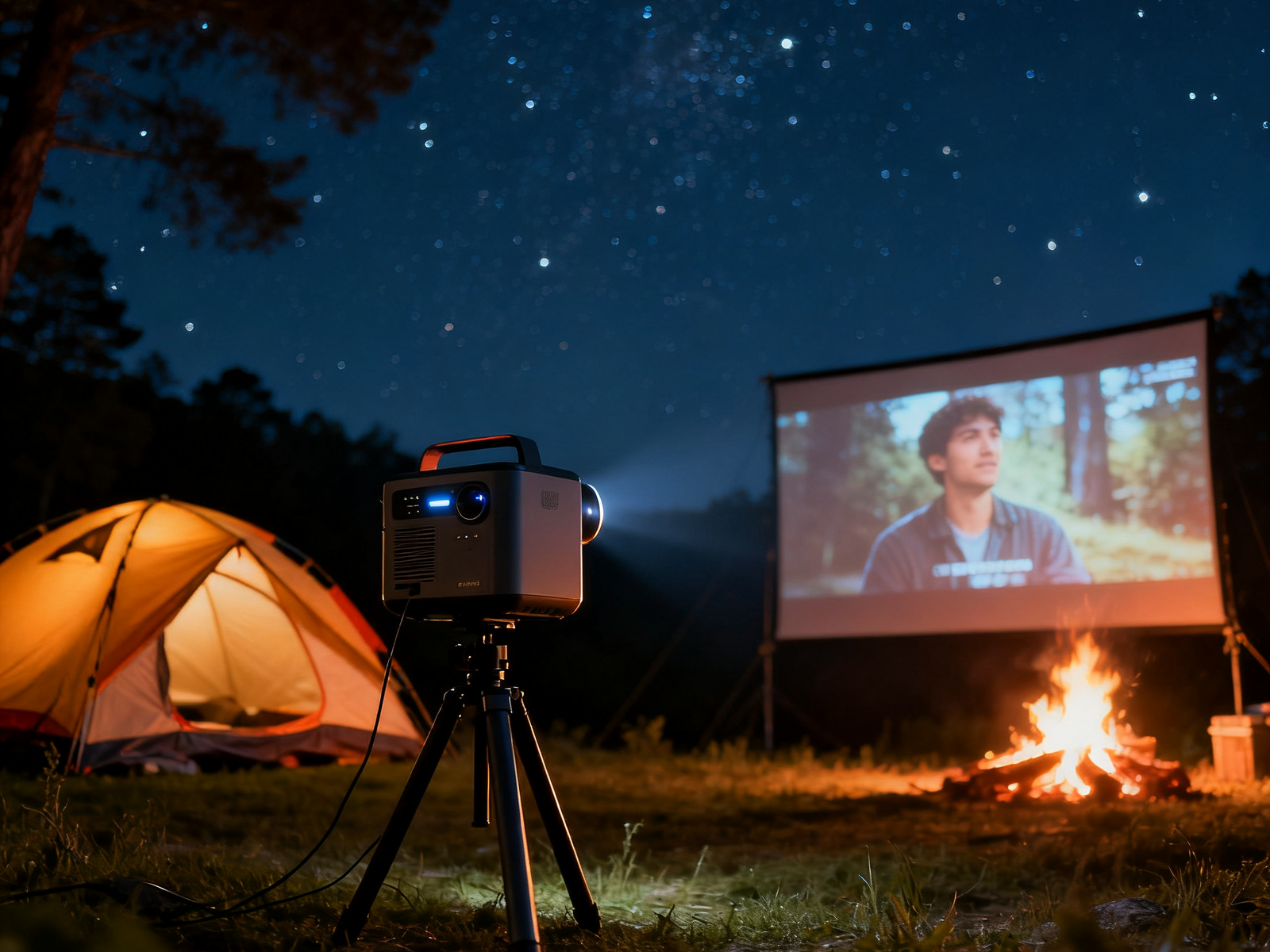
Outdoor projection opens up endless possibilities for entertainment and shared experiences in nature. With proper planning, equipment selection, and setup techniques, you can create memorable movie nights under the stars.
The key to successful outdoor projection lies in preparation, respect for the environment, and consideration for others. Start with simple setups and gradually expand your equipment and techniques as you gain experience.
Remember that the goal is to enhance your outdoor experience, not complicate it. Choose equipment that matches your needs, plan for contingencies, and most importantly, enjoy the unique magic of watching movies under the open sky.
For more outdoor adventure guides and portable projector reviews, check out our latest articles and product comparisons.